






The Mediterranean is a must-know destination for any luxury travel agent – but in 2027, understanding the basics simply isn’t enough.
Southern Europe continues to be the continent’s most visited area, welcoming more than 300 million tourists in 2025 alone.
Unsurprisingly, the majority of these arrivals headed for Spain, Italy and Greece – all of which have established themselves as the reliable holiday spots to the UK market.
But despite its reigning popularity, the appeal of the Mediterranean isn’t stagnant.
Today’s luxury travellers are taking a more intentional approach to the region’s lifestyle of sun, sand, sea and outdoor living.
In the words of Jenny Southan, chief executive of Globetrender: “People aren’t looking for Mediterranean holidays – they’re looking for a meaningful relationship with the Med.”
At the top of their itineraries are experiences that showcase the distinctive qualities and culture each location has to offer.
For luxury agents, this means going beyond the main attractions and developing a deeper knowledge of each destination.
“There is a growing demand for places that feel slower, more local and less exposed to mass tourism,” explained Southan.
In its latest insights report, Globetrender outlines three trends that reflect these evolving preferences.
From interest in micro cultures to a desire for meditative waters, here’s everything you need to know about how luxury travellers’ relationship with the Med is changing.
Micro Cultures
Rather than visiting familiar hotspots, luxury travellers are increasingly seeking immersive experiences within the Mediterranean’s local cultures.
Whilst often understood as a cohesive lifestyle, Globetrender’s report explains that the region “functions more like an archipelago of distinct micro-cultures – even within the same country.”
For this reason, previously overlooked Mediterranean destinations, such as Albania and smaller Greek Islands, are gaining popularity.
It is through these micro-cultures that travellers can try out unique activities such as harvesting honey alongside beekeepers in Albania or exploring ancient Greek ruins in Delos, the mythical birthplace of Artemis and Apollo.
Blue Mind Experiences
The Mediterranean has always been a magnet for aqua sports, but recent research indicates a growing demand to be nearby water – not just in it.
Globetrender defines this trend as ‘Blue Mind Experiences’, stating ‘proximity to water is not incidental, but central to the design of the stay’.
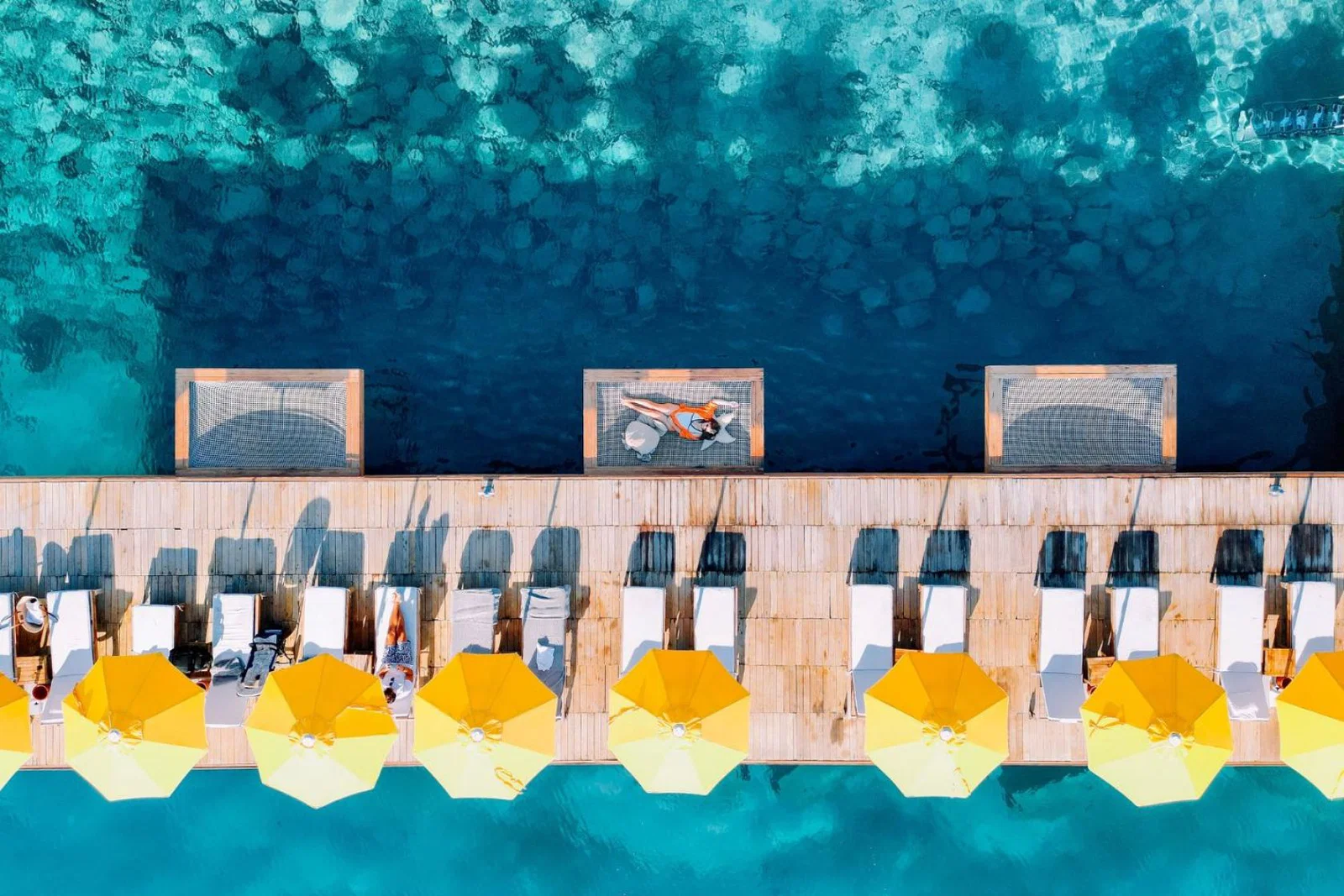
Whether it’s a private boat ride, relaxing in an infinity pool or enjoying a beachside sound bath, luxury travellers increasingly want water to be a major part of their trip.
Luxury hotels are already catering to this preference, with MGalley Collection’s properties making sea views and an aquatic atmosphere its priority. Meanwhile in Crete, NIKO Seaside Resort immerses travellers in a water-centric setting, with infinity pools overlooking the ocean.
The Comeback Effect
Luxury travellers are also encountering what’s known as the ‘Comeback Effect’, according to Globetrender’s research.
Today’s high-net-worth clients are returning to the same coastlines, islands and towns, but this time, with an expectation of more.
The European Travel Commission’s research shows 90% of European travellers plan to travel within Europe in summer 2026, with the Mediterranean remaining as the go-to repeat destination.
However, Globetrender reports, ‘this behaviour is becoming more sophisticated, familiarity is no longer the end point.’
On their first trip, travellers may opt for the iconic sights – think the Pantheon in Rome or the Acropolis of Athens.
However, a second or third visit often prompts a demand for a deeper, more authentic experience.
For example, a client may wish to live like a local by finding a unspoilt beach or dining at an underrated bistro. They may also want to build on existing knowledge of the place, by hiring an academic to guide them around a historic city or by shadowing a winemaker on a viticulture tour.