Low-cost long-haul
The development of low-cost, long-haul routes has long been the Cinderella of the aviation world. There have been plenty of attempts to get this concept off the ground – anybody in the UK of a certain age will remember Laker Airways which ran low-cost services between Gatwick and New York in the late 1970s and early 1980s, before going out of business in 1982.
Over the past three years, it has been Norwegian leading the charge by offering long-haul services – mainly to North America – from several European bases including Gatwick, Oslo, Stockholm, Copenhagen, Paris and Barcelona, using Boeing Dreamliner 787 aircraft.
This year will see a significant expansion in Norwegian’s long-haul strategy with the launch of 10 new transatlantic routes from Edinburgh, Belfast, Cork, Shannon and Dublin to secondary airports in the north-east of the US: Stewart International in New York state; Providence, Rhode Island; and Bradley International in Connecticut.
The key behind this expansion is Norwegian’s imminent introduction of the Boeing 737 MAX, which has a longer range than existing single-aisle narrow-body aircraft and opens up new intercontinental routes. Norwegian has also ordered 30 Airbus A321LRs, for delivery from 2019, which is another single-aisle aircraft with an even longer range at 7,400 kilometres than the 737 MAX’s 7,087 kilometres.
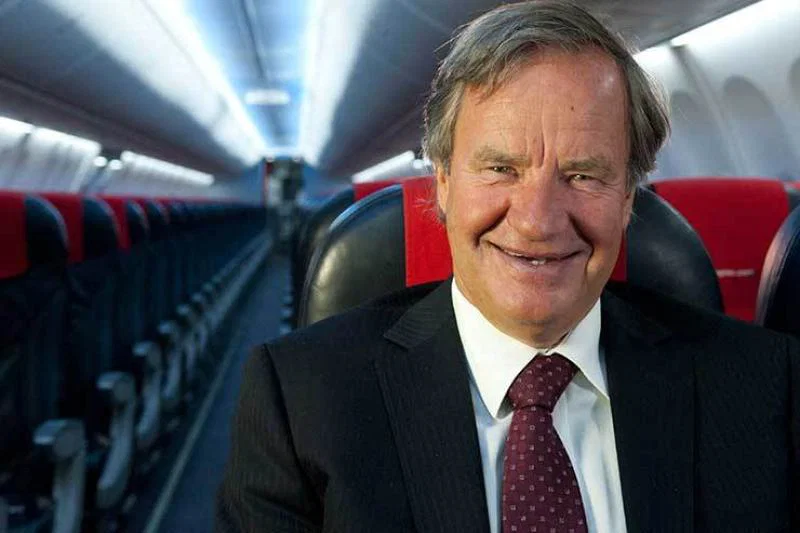
Norwegian CEO Bjorn Kjos says: “The new ‘short long-haul’ aircraft available from 2019 fits really well with our global expansion plans and future long-haul network, both in terms of size, range and fuel efficiency. With this order we will have a significant cost advantage and increased competitiveness, which means we can offer our customers low prices on board brand new aircraft to a wide range of new destinations.”
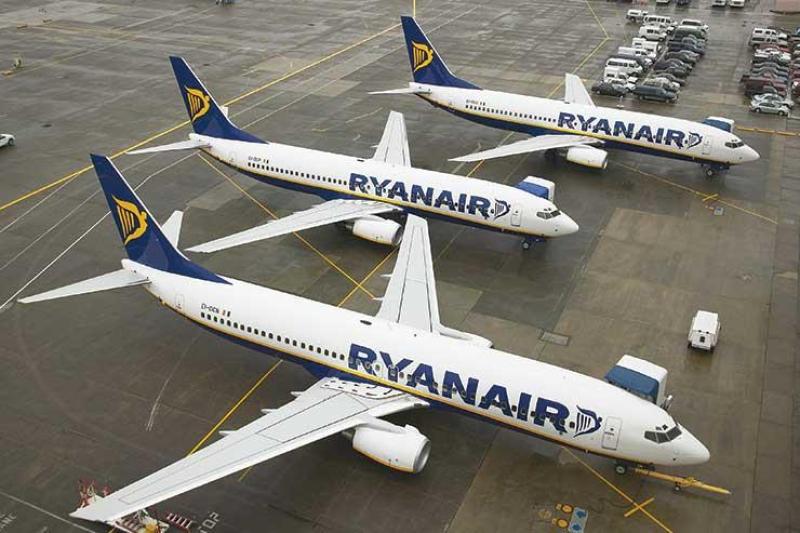
One of the ways Norwegian plans to help fill these new long-haul routes is to develop “feeder” relationships with other low-cost players such as Ryanair and easyJet. Such a deal is nearly in place with Ryanair, and easyJet CEO Carolyn McCall has not ruled out the concept.
Ryanair CEO Michael O’Leary confirmed it was “continuing discussions” with both Norwegian and Irish rival Aer Lingus about feeder arrangements for long-haul flights.
“They are now down to the technical areas of harmonising their reservations systems with ours, which is not simple but we have top-level IT teams working on it. I’m hopeful we will have one concluded and up and running by some time in the summer of 2017,” said O’Leary during a presentation in February.
John Grant, senior analyst at aviation data firm OAG, says a Norwegian-Ryanair feeder deal represents “a convenient business strategy” for both carriers.
He adds: “Ryanair has an entirely narrow-body fleet and flies short to medium-haul routes. As Europe’s largest airline, at some point it has to ask where to fly next and entering the long-haul market itself would mean a change of strategy and new aircraft. A tie-up with Norwegian allows the two carriers to feed traffic to each other without jeopardising the core business of either airline.”
Transatlantic battle
The competition is certainly poised to heat up between Ireland and the US with Aer Lingus also agreeing to lease seven Airbus A321LRs from 2019 to take on Norwegian on transatlantic routes.
When asked about Norwegian’s move into the Irish market, Aer Lingus CEO Stephen Kavanagh says the airline is used to competition, having had to compete with Ryanair for more than 30 years.
“We do see the potential for further unbundling from an Aer Lingus perspective and also the opportunities the narrow-body across the Atlantic offers us from Dublin,” he adds.
Aer Lingus’s parent company International Airlines Group (IAG), which also owns British Airways (BA), Iberia and Vueling, will be starting its own low-cost, long-haul airline called LEVEL with services from Barcelona to the Caribbean and South American destinations.
IAG CEO Willie Walsh says: “The intention is to be flying in June or July – we’re aiming for June. The initial focus will be Barcelona but we believe we have a model that can be replicated. But we are not looking at any additional cities at this point.
“We have a clear view that this is a profitable part of IAG going forward. It will meet all of our financial targets that we will set.”
Level initially plans to use two Airbus A330s with 293 economy and 21 premium-economy seats for the service. Fares are priced from $99 or $149 one-way.
Joint ventures
The other development that continues to gather pace within the aviation industry is the increasing number of joint ventures forged by airlines on busy intercontinental routes. These initially grew out of the “open skies” agreement between the EU and the US, which led to a plethora of joint businesses such as BA and American Airlines, Delta and Virgin Atlantic, and Lufthansa Group with both United and Air Canada.
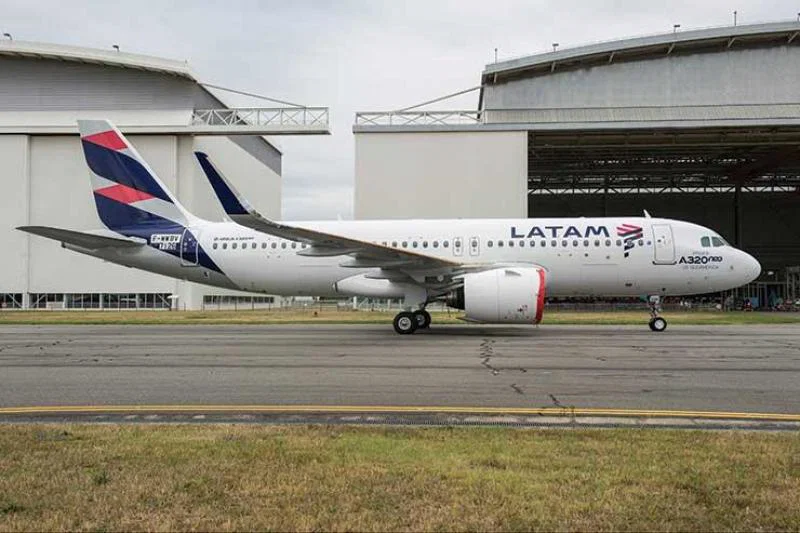
Similar joint ventures have now been extended between European and Far Eastern carriers. For example, Lufthansa has separate JVs with Air Nippon (ANA), Singapore Airlines and Air China. IAG and American Airlines have also applied to form a new JV with LATAM Airlines, but these still have to clear regulatory hurdles in South America.
Lufthansa says these partnerships allow airlines to “make better use of available capacity” and “reduce the economic risk of adding new routes – and sometimes make these new routes possible in the first place”.
This positive case for the route development opportunities offered by JVs is backed up by the International Air Transport Association (IATA), which says routes such as BA’s service from London Heathrow Airport to San Diego would not be possible without “increased access to feeder routes and connecting traffic provided by the JV partners”. IATA also points out that 78% of all capacity on the North Atlantic market between Europe and the US is now part of a JV.
Route impact
But does having a JV deal skew the way airlines develop their networks?
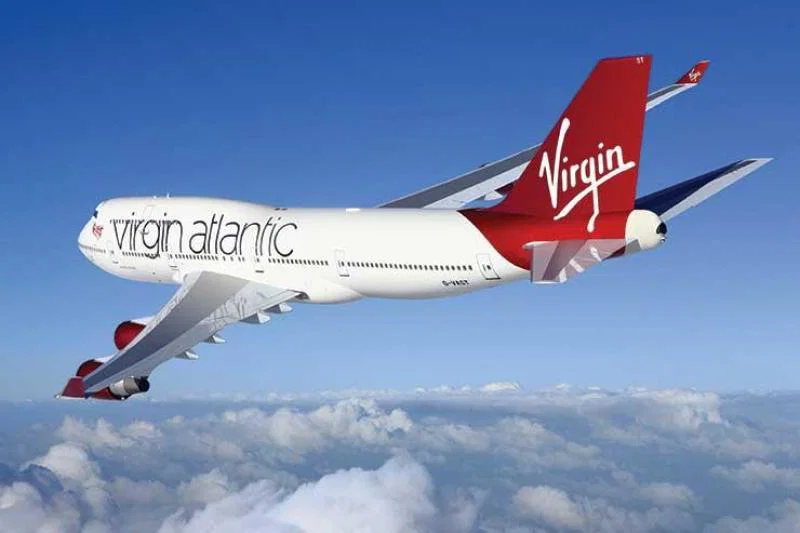
The case of Virgin Atlantic suggests that it may have major influence: since forming its transatlantic JV with Delta Air Lines in 2014, Virgin has axed routes to Tokyo, Cape Town and Mumbai in favour of more flights to US cities – four new US routes will launch this year (Heathrow-Seattle and Manchester to San Francisco, Boston and New York). It is also worth pointing out that Delta holds a 49% shareholding in Virgin Atlantic.
Aviation analyst Patrick Folley, from Consilium Aviation, says: “It generally leads to a focus on core strengths and maximum financial benefits for the operators. Delta taking its large stake in Virgin has led to an abandonment of many of Virgin’s long established routes in order to focus on transatlantic connections into Delta’s US hub airports.”
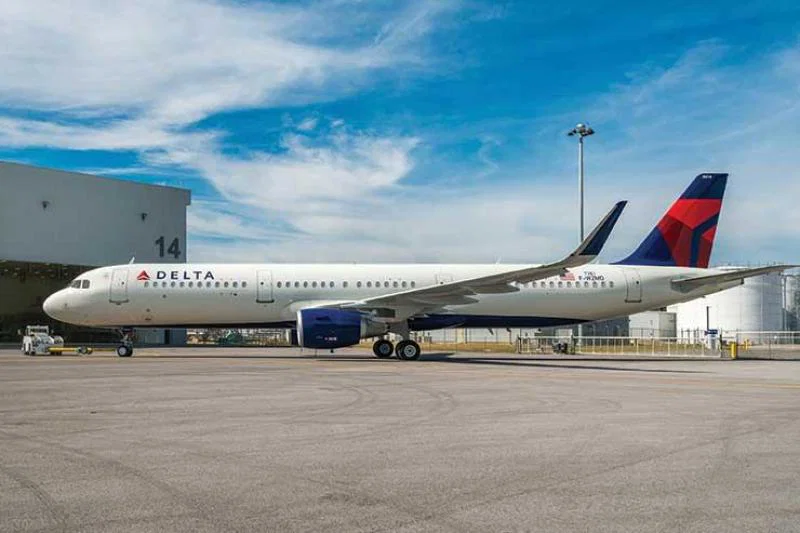
Delta is seen as being one of the pioneers in developing this kind of strategy. The airline’s latest move is to take a 49% stake in Mexican carrier Aeromexico, which is linked to a “joint co-operation agreement” between the two airlines that is due to come into effect imminently.
This strategy is set to continue. Delta Air Lines CEO Ed Bastian says: “We will expand our global reach through equity stakes, JVs and partnerships around the world.”
But this may not always be positive for route development as Delta plans to concentrate on expansion at its key European hubs of London, Paris and Amsterdam while “de-emphasising” other gateways in the European Union.
Acquiring equity stakes in other carriers has been a cornerstone of Etihad Airway’s expansion strategy. Etihad Aviation Group (EAG) includes Air Berlin, Alitalia, Jet Airways, Air Seychelles and Air Serbia, all of which have Etihad as a minority shareholder.
Etihad’s outgoing CEO James Hogan says: “The strength of the EAG business model comes into effect through its diversity of businesses, cost-effective synergies and global spread of risk. Partnerships are at the heart of our strategy and remain fundamental for us to compete effectively and efficiently in a complex and competitive global market.”
So what does all this mean for the future of the traditional airline alliances – oneworld, SkyTeam and Star Alliance?
IAG’s Walsh says that while “alliances add value today”, this may not be the case in 10 years’ time due to the increasing number of JVs and partnerships between airlines.
Grant, from OAG, agrees the alliances’ future “could be increasingly fragile”.
He adds: “While some airlines try to prioritise partnerships with existing alliance partners, sometimes they are also forming partnerships outside the alliance where it suits them. All of these strategies are simply mechanisms to overcome the regulatory barriers that exist in international aviation which limit airlines operating and owning carriers outside their domicile market.”
All of these new business models and trends should, in theory, aid route development around the world, while a new breed of aircraft is set to open up long-haul routes outside the major hubs. We could finally be entering the age of low-cost long-haul travel and we have seen what such change has done for many short-haul markets.
Latest developments
Delta Air Lines-Aeromexico
The joint co-operation agreement covering flights between the US and Mexico is set to take effect from April 1, 2017. The deal was first announced two years and was approved by competition authorities in both countries in 2016 subject to conditions. Delta is also planning to increase its stake in Aeromexico up to 49%.
Etihad-Lufthansa
The two airline groups have started a codeshare deal, which gives Lufthansa access to Etihad’s network in India, via Abu Dhabi, while Etihad benefits from Lufthansa’s services from Germany to Rio de Janeiro and Bogota in Colombia. They have also agreed to work together on catering and aircraft maintenance operations.
IAG-LATAM & American Airlines-LATAM
LATAM announced new joint ventures with both IAG and American Airlines in January 2016 but they have yet to be approved by competition authorities. The JV with American Airlines also depends on the ratification of the “open skies” deal between Brazil and the US.
Lufthansa-Air China
This JV is set to take effect from the summer 2017 schedule after being signed in September 2016. The deal also includes Lufthansa’s sister carriers Austrian Airlines and Swiss.
American Airlines-Qantas
The US carrier has announced it plans to refile its application to form a joint venture across the Pacific with Qantas. The original application was rejected by the Obama administration in November 2016 but American hopes the new Trump government will reconsider this decision. The JV has already been approved by competition authorities in Australia and New Zealand.
Business-class airlines
One airline business model that continues to struggle is the all-business-class carrier.
French airline La Compagnie became the latest to fail to make an impact in the UK when it suspended flights between Luton and Newark International in September 2016 after less than 18 months of operation.
The company blamed Brexit but its withdrawal follows the failure of Eos, Maxjet and Silverjet – all business-class airlines that collapsed around 10 years ago.
Meanwhile, British Airways has also cut back on the frequencies of its all-business class flights from London City Airport to New York.
The latest airline to try to tap into this market is US-based Bliss Jet, which plans to offer the first shared private jet service between Stansted Airport and New York’s LaGuardia airport from “late spring” 2017.
Bliss Jet CEO David Rimmer says a key selling point is offering the “last flight out” of both London and New York, with passengers able to book individual seats for $11,995 each way.
“We will be the only transatlantic service that can fly into LaGuardia,” says Rimmer. “It will save a lot of time because we fly into the marine terminal where they can clear international travellers.
“We will be starting once a week and then grow frequency. Paris is the next most obvious city and we will have to weigh demand. There’s only a limited number of cities where this would work.”
Another newcomer is Surf Air Europe, which plans to start private jet services from Luton, Cannes, Geneva and Zurich from May 1. Users will be charged a monthly subscription fee of £1,750 for an unlimited number of flights.