Gibraltar International Airport has been a diplomatic football between the UK and Spain for years. But this is far from being just a dispute between two countries – it has in effect been delaying several major EU-wide aviation policies since 2012.
The two countries have been unable to agree on whether Gibraltar airport should be included within EU aviation legislation – Spain claims that it should be excluded on account of sovereignty issues.
Among the EU policies stymied by this impasse have been plans to revise passenger compensation rights for delayed or cancelled flights, as well as legislation designed to simplify air traffic management around the continent.
Now Brexit is threatening to throw another spanner into the works thanks to the surprise inclusion of a clause in the EU’s negotiating guidelines that could give the Spanish government a veto on any decisions regarding Gibraltar.
This could result in the territory being excluded from any future UK-EU trade deals, including any aviation agreements.
The language has also been ramped up on all sides since this revelation became public in March, with Gibraltar’s chief minister Fabian Picardo accusing Spain of “holding the whole EU to ransom on aviation matters for the past five years” over the airport.
Spanish officials have responded by saying that any post-Brexit aviation deal between the UK and EU “cannot apply to Gibraltar airport”.
All of these potential problems are being caused by an airport that currently operates only 50 flights per week and is served by just four scheduled carriers. Apart from flights to the UK, the only other destination served from the airport is Morocco through Royal Air Maroc.
The airport’s relatively new terminal building (it opened in 2012) is operated by the Government of Gibraltar, which has been keen to downplay fears over its post-Brexit future.
“No one knows what the outcome of the negotiations between the UK and the EU will be and what agreement concerning aviation will be made,” said a government spokesman.
“Our assessment of future growth in European markets may be dependent on any aviation agreement which arises from the Brexit process.”
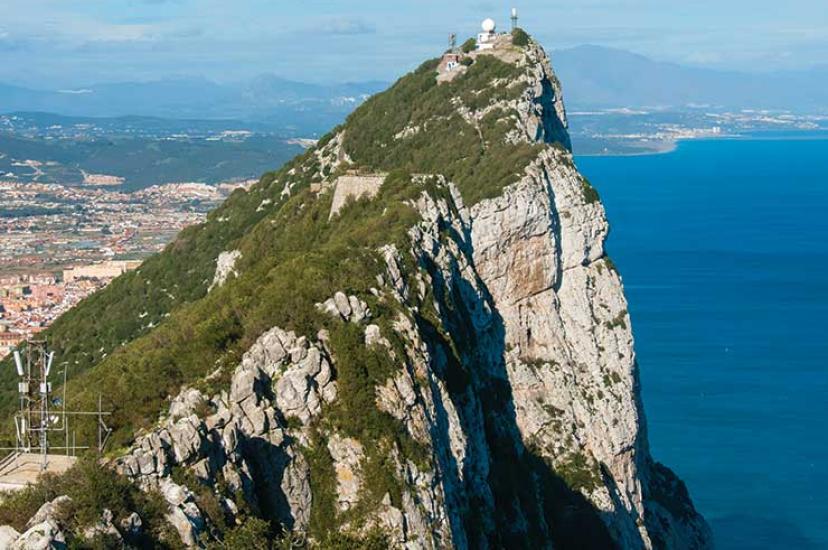
The Rock, as it is known colloquially, is a British Overseas Territory and has been a source of tension between the UK and Spanish governments since the early 18th century, when the Treaty of Utrecht gave the 6.7 square kilometre area to the British.