





The WTTC said Barcelona has achieved "remarkable success" establishing itself as a global tourism leader, but risks harming this, pointing to its own research it claims shows sudden hikes in tourist taxes rarely achieve the intended outcomes, such as taking pressure off vital services.
"Additional costs to visitors to Barcelona would likely reduce the overall economic contribution generated by the cruise industry as tourists adjust their spending habits ashore," said the WTTC. "This, in turn, would potentially lead to job losses, impacting local employment and job creation within the city's service sectors."
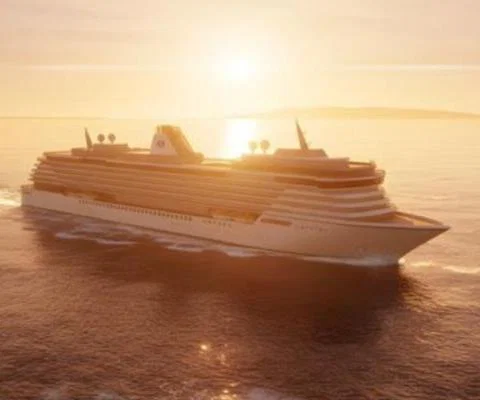
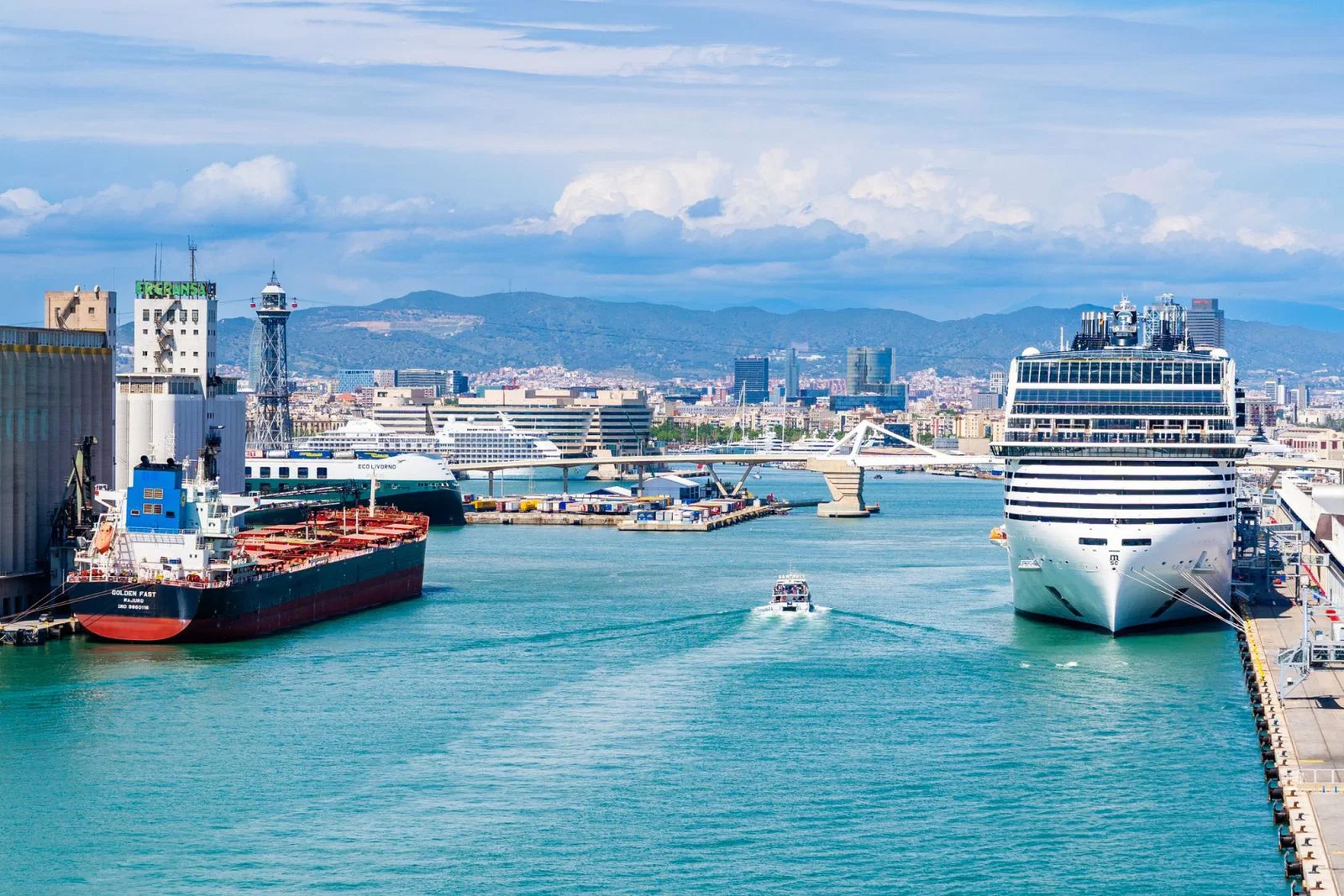
Barcelona welcomes around four million cruise passengers a year, generating average local spend of around €255 per homeport passenger, with the cruise industry alone contributing nearly €12 million in taxes to Barcelona City Council in 2024.
Citing research by Clia, the WTTC said more than 60% of cruise travellers tend to return to destinations they first discovered via a cruise, adding this highlighted the sector's role as "a gateway for future visits".
In addition, the WTTC warned the decision to increase the fee levied on cruise visitors came amid global economic pressures on international travel, to which it attributes a 3.3% decline in transit cruise passengers to Barcelona in 2024.
Using London as an example, it said the UK economy risked losing out on £14 billion in international visitor spend if a daily visitor tax of €10 was introduced.
"Modest international spending growth projections of just 2.7% in 2025 place the city behind other major European destinations," the WTTC continued. "Introducing further barriers could create an unwelcome domino effect across the wider tourism eco-system, affecting everything from local suppliers to transport providers."
WTTC President and Chief Executive Gloria Guevara said Barcelona should reconsider its decision, which was approved by the city council last week. "Rather than implementing these taxes, we recommend the local government to work closely with the tourism sector to find balanced solutions that support both the city's sustainability goals and its vital economic interests.
"The future of sustainable tourism cannot be built on short-term fiscal adjustments. It requires robust, long-term planning, meaningful consultation with the travel industry, and active stakeholder engagement at every level."