Can I still travel to the EU this summer?
As chancellor George Osborne was keen to stress earlier this week, for now there will be “no change to people’s rights to travel” around the EU. This means that customers do not have to worry about getting a new passport or start applying for visas to visit EU countries. This situation will continue until there is a deal between the UK and the EU, which many don’t expect to come into force until the start of 2019 at the earliest. What arrangements will be in place at that time is currently anybody’s guess.
Market watch
“We will closely monitor the market situation and may make changes to our pricing strategy moving forward, if and when necessary. After 46 years, Sunvil has been through many turbulent times before.”
Chris Wright, managing director, Sunvil Group
Will my holiday cost more?
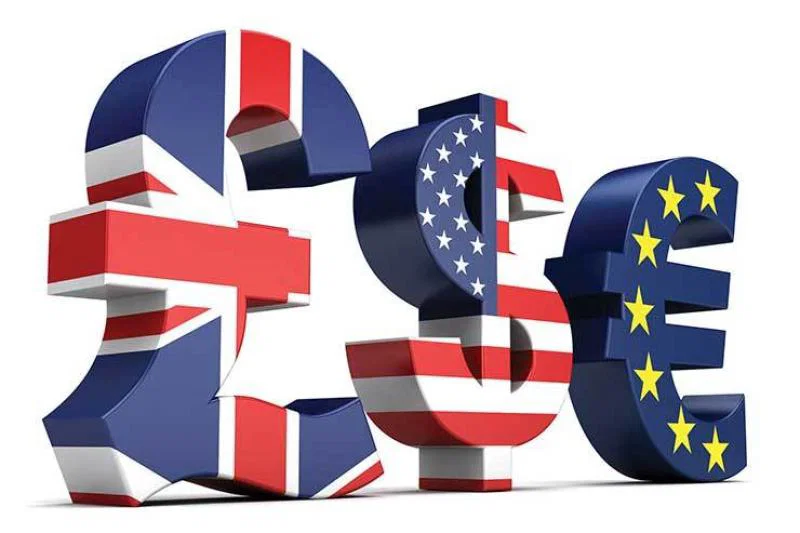
Within hours of the announcement of Britain’s desire to part ways with the EU on Friday, the value of sterling had slumped to a 31-year low against the dollar. By midday on Monday the pound had fallen to around £1.31 against the dollar and £1.20 against the euro – these represented falls of around 12% and 8% respectively.
Large numbers of Brits opt to head to the Mediterranean every year for their summer getaways, and a decline in spending power for the foreseeable future at least, seems likely to hit many. Abta has also said that the decline in the value of the pound will make an “immediate impact” on travellers getting value for their money during the remainder of the year.
What happens to holiday prices in the longer term is unclear. During the referendum campaign David Cameron suggested that the cost of a family holiday was set to rise by £230 following a Brexit vote, while the cost of a 14-night trip to the US for four people could rise by £620. This was based on an assumed 12% fall in the value of the pound against both the euro and the dollar. This claim was dismissed by the Brexit camp as “lacking credibility” during the campaign.
Will Brexit make my flight more expensive?
Perhaps the EU’s most palpable effect upon travel – its single aviation market agreement, which has allowed member airlines to operate freely between other EU states since 1994 – hangs in the balance. Since the signing of the agreement, legislation has allowed profits of low-cost carriers such as easyJet and Ryanair to soar while keeping their headline fares low.
Post-Brexit, the future of Britain’s cheap and easy air travel across the continent could depend on joining the European Economic Area (EEA) and operating a similar deal to that used by Norwegian Airlines. If not, routes between the UK and EU would need to be renegotiated, which is a scenario the industry wants to avoid.
Following the referendum results last week, easyJet chief executive Carolyn McCall wrote to Whitehall and European Commission officials insisting that they “prioritise the UK remaining part of the single EU aviation market”.
Tony Tyler, chief executive of airline organisation Iata, said the UK and the EU would have to work together to create a “new framework” to ensure the “common interests of safe, secure, efficient and sustainable air connectivity”.
Think long term
“Tourism and leisure can continue to grow under Brexit. Initially a weaker pound will encourage visitors and also exports will flourish.”
Nick Varney, British Hospitality Association chairman & Merlin Entertainments chief executive
Am I still covered and will holiday insurance go up?
British travellers’ ability to use their European Health Insurance Card (Ehic) when in need of medical care on holiday has also come into question. As with air travel, the card’s validity depends on the UK remaining a member of the EEA, as the healthcare scheme is not an EU initiative.
If so, holidaymakers would also be able to use it in countries such as Norway and Iceland, which are part of the EEA but not the EU. Although if the UK backed away from the EEA entirely, insurance experts have dismissed concerns that travel insurance would rocket as a result.
Kate Huet, managing director of insurance firm International Travel and Healthcare, told TTG prior to the vote: “The reality is that insurance might go up but only slightly. Not that many travellers actually use Ehic – it is only a small percentage. The majority of travellers often end up in private hospitals rather than state institutions.”
Tough call
“With so many variables in play it’s difficult to predict the exact impact the Leave vote will have on the tourism industry, but research suggests it will be a negative one.”
Joel Brandon-Bravo, UK managing director, Travelzoo
What about my compensation rights?
Prior to last week’s referendum outcome travellers, especially air passengers, were protected under EU legislation which helped to safeguard their consumer rights.
Now following a Brexit vote, the future of EC Regulation 261/2004, which enables passengers to claim compensation in the event of flight cancellations, long delays and denied boarding, is unclear.
The government may move to introduce similar guidelines and Abta thinks that it is “likely there will be calls from consumer groups to introduce comparable laws” – but this too will be dependent on Britain’s negotiations with Brussels over the next few years.
What’s the future for consumer protection for holidays?
The government had been due to start the consultation process into the new EU Package Travel Directive this summer if there had been a Remain vote. With the vote for Brexit, the future of consumer protection is now firmly up in the air.
Abta’s director of public affairs, Stephen D’Alfonso, has previously suggested that the UK government could follow the principles outlined in the PTD even with our looming exit from the EU because the directive was “UK-focused”.
“I cannot see them rolling back on legislation that they have so fervently pushed forward in Brussels but that’s up for debate,” said D’Alfonso at the Abta Travel Law seminar earlier this year.
Money matters
“Almost certainly some holidays yet to be sold will have to go up in price and travellers themselves will immediately see that the pound in their pocket is worth less than they expected when they arrive in resort.”
Alan Bowen, AGB Associates
What happens to airport expansion?
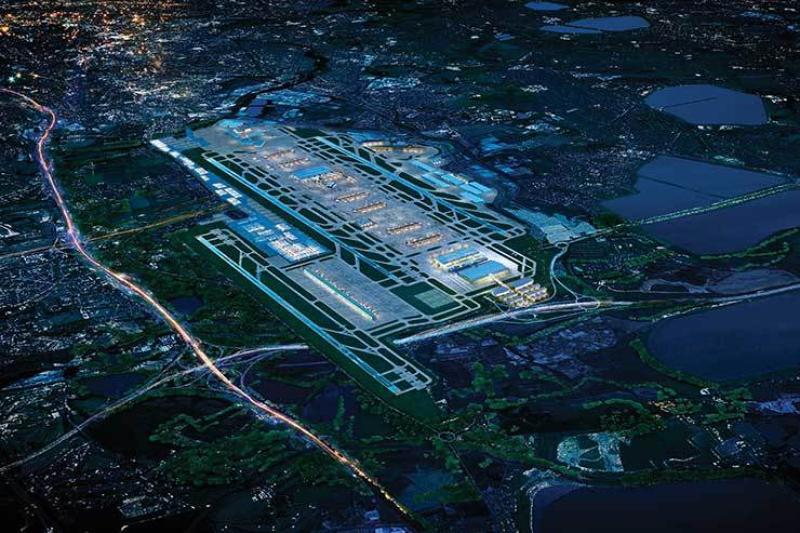
The government had been due to finally announce a decision later this summer on whether Heathrow or Gatwick should be allowed to build a new runway.
Bosses of more than 50 leading companies have been quick to assert that Brexit should not be used as an excuse to kick airport expansion into the political sidelines until the election of a new Conservative party leader in the autumn. This could be former London mayor Boris Johnson, one of the most vocal opponents to Heathrow expansion within Westminster.
In a letter, the bosses of companies such as Legal & General, Land Securities and Canary Wharf Group, said that the government “must prioritise a decision on a new runway without further delay and act to secure our future as a global trading nation”.
“Brexit creates a new urgency for another runway, with the need to quickly secure new connections and trading partnerships with growth economies such as Brazil and China, as well as help to send a message that Britain is open for business,” the bosses argued in their letter.
Unfortunately, uncertainty seems to be the name of the game, with little concrete information available. This will only change when negotiations begin. For now, Britain is in the departure lounge and the destination is unclear.
In the meantime though, it remains business as usual…