






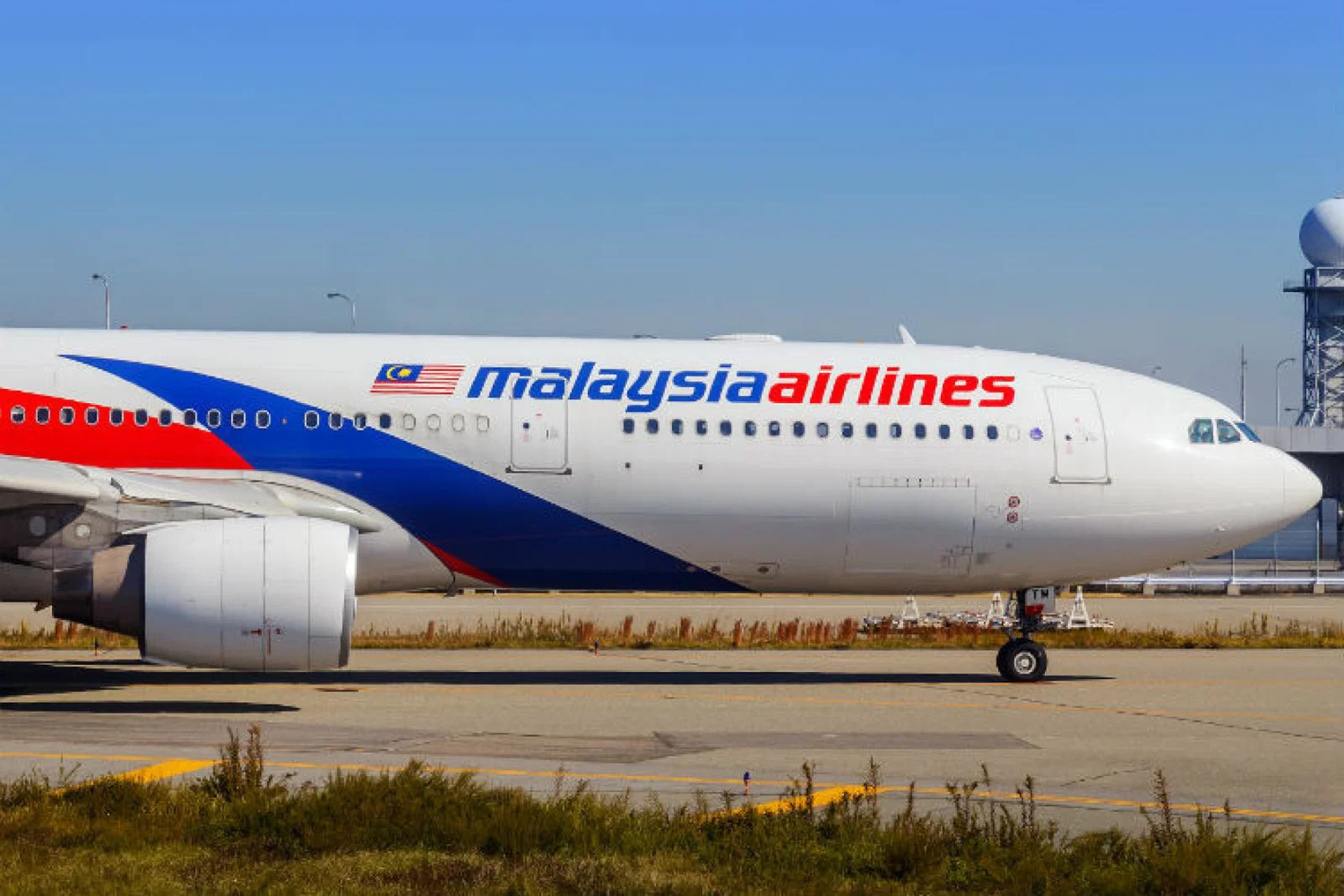
According to expert Larry Vance, erosion along the edge of a wing part recovered since the aircraft went missing suggested the plane experienced a controlled landing into the Indian Ocean.
Vance, who has led more than 200 air crash investigation and was formerly investigator-in-charge for the Canadian Aviation Safety Board, told news programme 60 Minutes that the lack of major wreckage indicated that MH370 had landed in a controlled manner.
"Somebody was flying the airplane at the end of its flight," he told the programme. "Somebody was flying the airplane into the water. There is no other alternate theory that you can follow."
The Boeing 777 disappeared en route from Beijing to Kuala Lumpur with 239 people onboard in March 2014.
Despite an extensive search of the Indian Ocean, no trace of the aircraft was discovered until the recovery of the wing part, known as a flaperon, on Reunion Island near Madagascar a year ago.
Vance believes photographs of the debris piece suggest high-pressure water erosion to the metal which could only have been caused if the plane was guided into the sea, the BBC reports.
"The force of the water is really the only thing that could make that jagged edge that we see. It wasn’t broken off. If it was broken off, it would be a clean break. You couldn’t even break that thing," he said.
Furthermore, Vance noted the deployment of the plane’s flaperon also pointed to the fact that someone was piloting the aircraft when it hit the ocean.
"You cannot get the flaperon to extend any other way than if somebody extended it," he added. "Somebody would have to select it."