








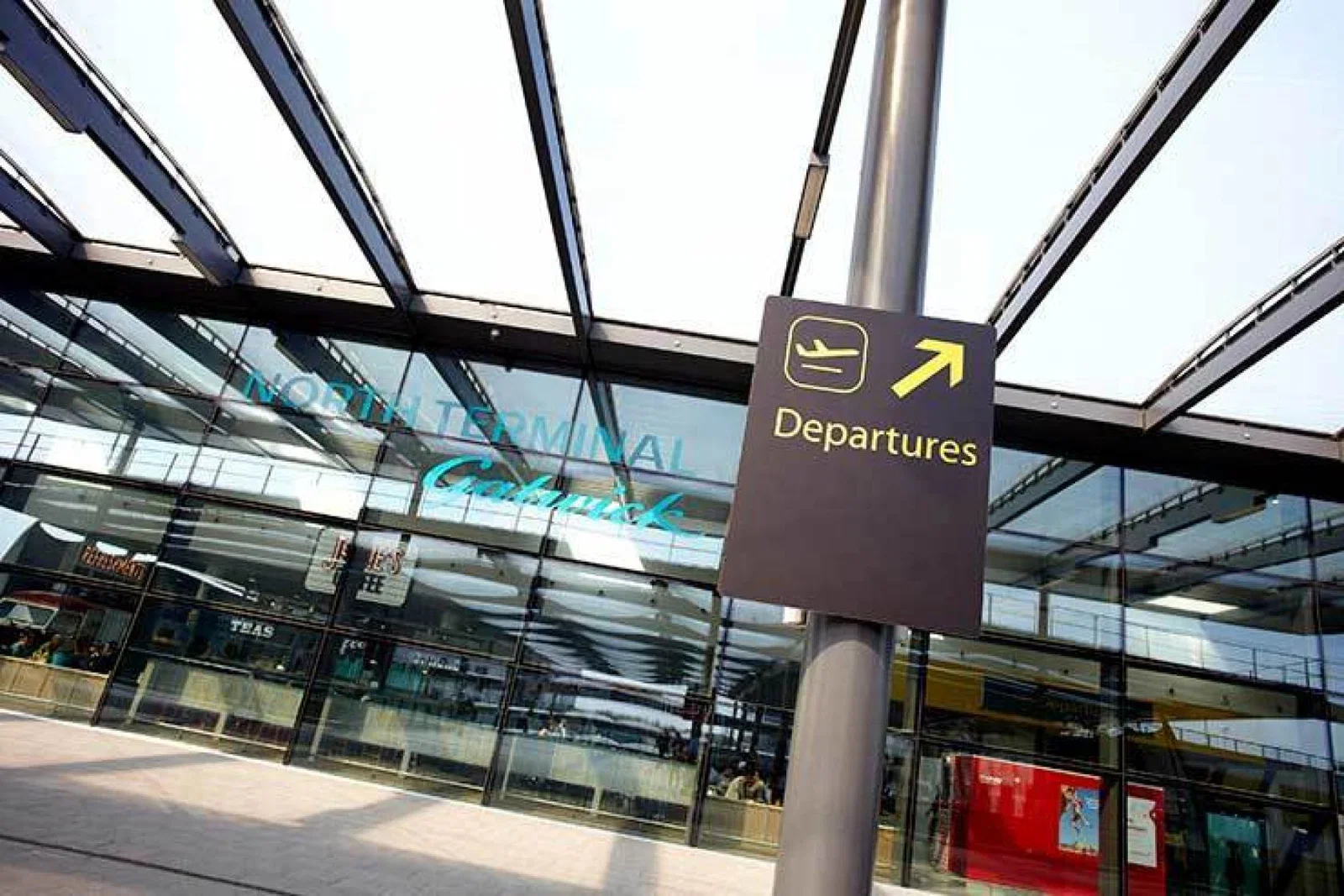
Unite says analysis of job losses at the UK’s second busiest airport "demonstrate the devastation being wrought across the sector" due to the coronavirus pandemic, and "highlights the failure of government to intervene and protect jobs".
According to Unite, more than 6,000 roles at the airport, including those directly employed by the airport, as well as airlines or other supply chains, have lost their jobs or are at risk of redundancy.
This, however, only covers roles in areas in which Unite is involved, and does not cover retail, hotel or hospitality roles. Gatwick itself has announced plans to reduce its workforce by nearly a quarter – 600 roles – as part of a company-wide restructure.
"The scale of job losses at Gatwick, which is the major employer in the locality, is inevitably having a huge knock-on effect on the economic health of the nearby town of Crawley and the surrounding area," said Unite.
"Unite is warning that without urgent government support, the airport and its communities will become a ’ghost town’."
Together with the TUC, and other aviation unions, Unite has pulled together a list of five key economic and fiscal demands of government, including extending and modifying furlough to protect employment in aviation; suspending Air Passenger Duty; guaranteeing public service obligation routes to preserve regional connectivity; offer business rate relief; and extend repayment terms for loans to aviation companies.
"Unlike other major European countries and even the United States, which have provided billions of support for their aviation sectors, the UK has failed to provide a similar lifeline to protect jobs," said Unite, adding a proposed recovery plan for the UK’s aviation section through 2025, rumoured to be coming in the autumn, would be "too little too late".
Unite regional officer Jamie Major said: “Prior to the pandemic Gatwick was a thriving community, but unless the government provides direct support, the airport faces becoming a ghost town.
“If the government does not provide long-promised financial support to the sector, further job losses are inevitable.”