


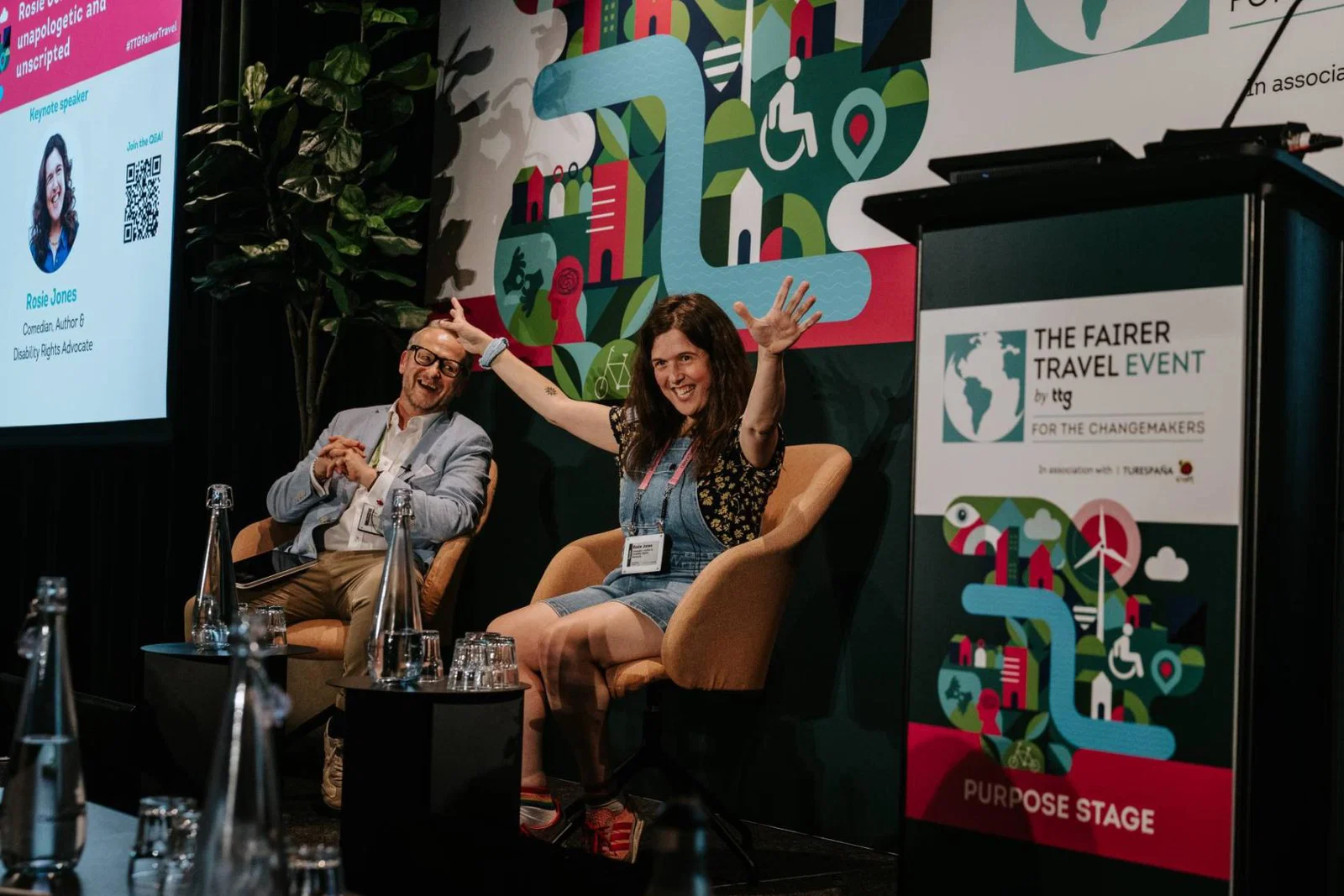
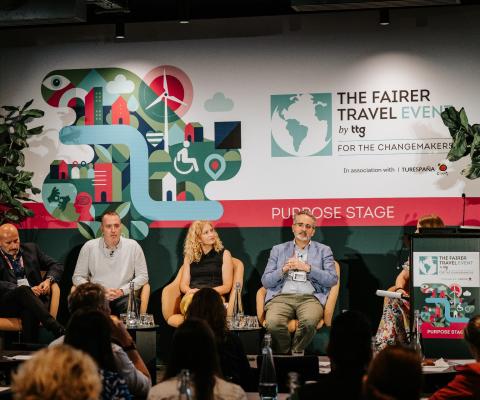
Speaking at TTG’s Fairer Travel Event in London on Tuesday (30 June), keynote speaker Jones said too many parts of the travel industry still rely on generic accessibility measures rather than having conversations with disabled travellers about their individual requirements.
"Talk to disabled people – don’t make decisions for us," Jones, who has cerebral palsy, told delegates. She said there is no "catch-all" approach to accessibility, arguing that businesses should engage directly with customers rather than assuming what support they require.
She also criticised the way airport assistance is often delivered, arguing that disabled passengers can lose their independence through well-intentioned but "patronising" service.
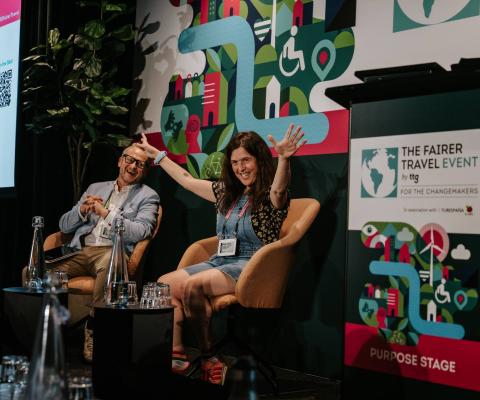
Jones said that when she requests assistance while travelling alone for work, staff frequently speak over her rather than to her, take her directly to the departure gate long before boarding and discourage her from using airport shops or facilities.
"They do not treat me like a non-disabled traveller flying for work," she said. "I also want to go to Boots and pick up the toothpaste I've forgotten, or grab a coffee from Pret!"
Jones challenged assumptions disabled people do not travel independently, describing how fellow travellers are often surprised to see her travelling alone despite regularly travelling internationally for comedy and television work.
She called on travel businesses to improve the way accessibility is handled online, arguing that booking a trip should involve more than selecting a generic disability option. "I want to see, on websites, hotels and airports, a space where the disabled person can easily say, 'These are my access requirements'," she said.
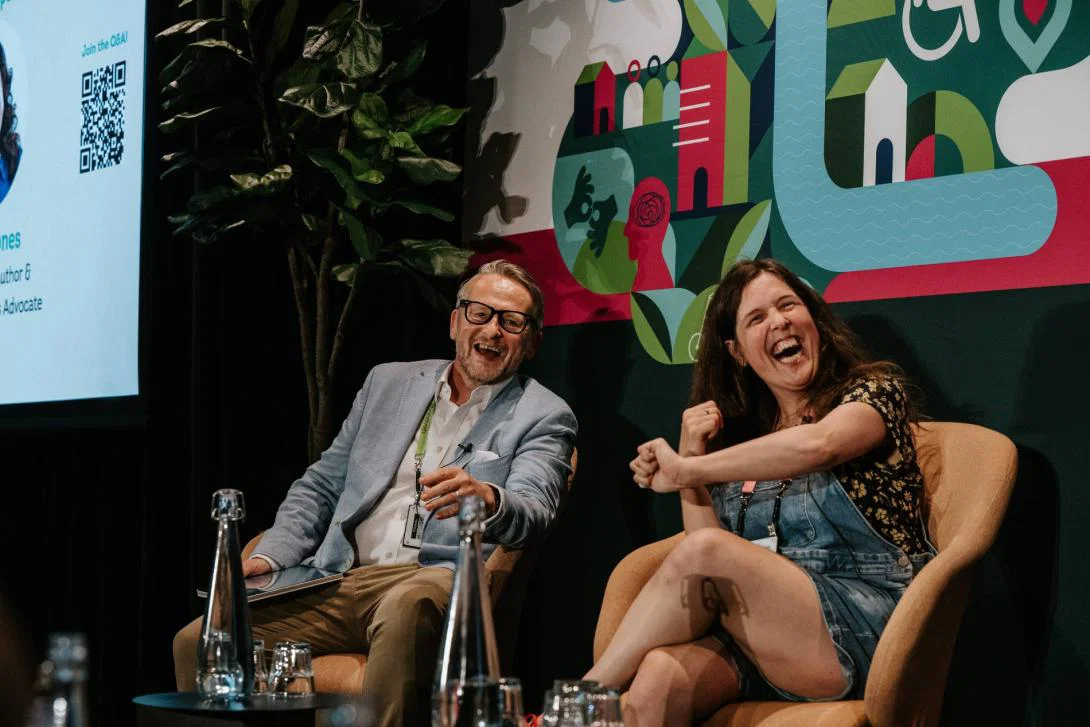
Jones described how fellow travellers are often surprised to see her travelling alone despite regularly travelling internationally for comedy and television work
More broadly, Jones argued that improving accessibility requires investment as well as good intentions.
"To properly include disabled people in the conversation and at the table, we need to put in extra time, extra money and extra effort," she said. "I know budgets are getting smaller every year, but by spending just a bit more money on a hotel, you can make it a welcome place for disabled people."
Closing the session, she reiterated that better dialogue between the industry and disabled travellers would do more to improve accessibility than assumptions or one-size-fits-all policies. "Just talk to us," she added.