



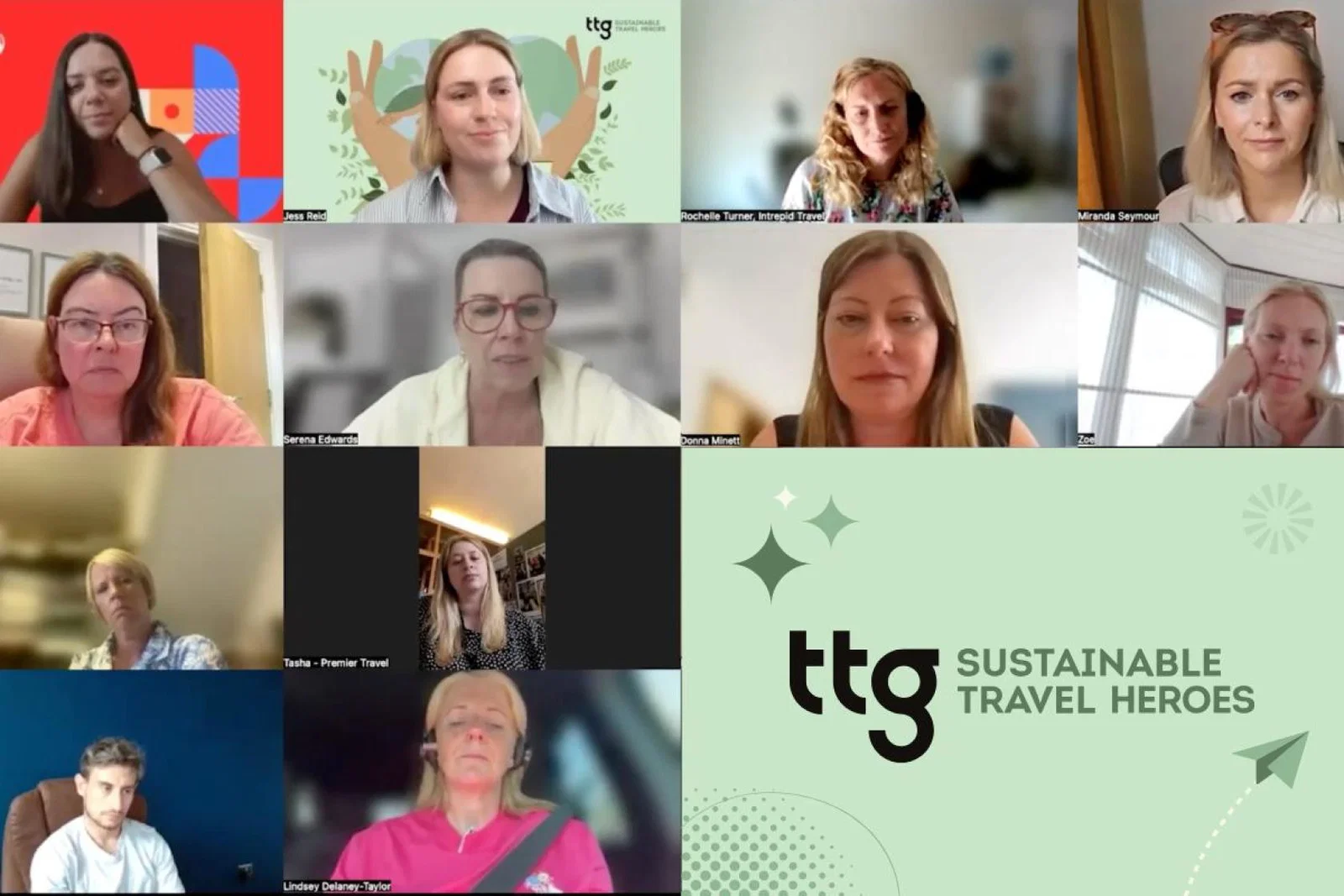
Following on from the TTG Sustainable Travel Heroes workshop on how to be a more responsible traveller and “do no harm”, the latest session – led by Intrepid campaign manager Lucy Wildman and head of impact Rochelle Turner – took it one step further.
Read on to discover how travel agents can play an integral part in encouraging customers to champion positive impact travel products that not only benefit local communities and the environment, but also increase customer satisfaction, thanks to the unexpected, enriching travel experiences they offer.
Agents are key to change
Positive impact travel begins before clients even set foot in a destination – it starts with the product.
“This is where agents can play a really important role, as you can help people choose the organisations that help places thrive,” says Turner.
Some positive impact examples that agents should look out for include: local guides and staff who are paid fairly; companies that take direct action in protecting the environment; companies with strong animal welfare policies; opportunities for women within the company or destination and authentic cultural heritage that is celebrated and protected.
Iberostar ensures people are at the heart of its positive impact Wave of Change moment – not just employees and stakeholders, but also local communities. One example is Iberostar’s partnership with the Grange Pen Fish Sanctuary in Jamaica, training and employing locals to work as marine wardens and coral gardeners, helping to revitalise its important yet fragile ocean ecosystem.

Positive impact = enhanced experiences
Travellers are always wanting to maximise the value of their holiday experience. Often, sustainability isn’t thought of as the immediate answer, but this is where agents can help with the right messaging.
“These experiences are not the bucket-list sites and activities that you would think of – they are probably something a client wouldn’t have even considered when booking.” says Wildman.
These experiences are often unexpected, make travellers think differently and create memories that they’ll tell friends and family about. Agents are encouraged to showcase positive impact experiences when in conversation with clients by leaning into the stories they create.
On Intrepid Travel’s India's Golden Triangle itinerary, customers can combine seeing the Taj Mahal with a visit to an incredible social enterprise in Agra. Sheroes Hangout is a cafe that serves delicious local delicacies, but more importantly, supports acid attack survivors by providing them with employment, funding legal aid and building a community to end social isolation.
Read more about inclusive travel in India with Intrepid
Understanding community tourism
“Community tourism ensures that local communities have full ownership and management of the tourism experience, so economic benefits of tourism stay within the community,” says Wildman.
Travellers are able to get an authentic taste of a local community heritage, cultural practices and natural resources, creating an immersive, enriching travel experience, so it’s always worth researching suppliers to see if they support these types of experiences.
These experiences can vary greatly across the world, but what they do have in common is they’ll benefit the community as a whole, including the economy, environment, women empowerment and preservation of culture.
Intrepid partners with community projects such as Da Bac Community-Based Tourism, a social enterprise in Vietnam that offer homestays, trekking and authentic cultural experiences, as well as MEET (Mediterranean Experience of Ecotourism) across a range of European itineraries, experiencing projects in the region that support local communities and conservation.
Iberostar has set up Aruba's first sanctuary for the endangered shoco owl – an endemic species and a national emblem for the island. Local people have been employed as ‘Shoco Ambassadors’ to help care for this vital nesting ground and educate guests staying five-star JOIA Aruba on Eagle Beach.
Nurturing nature
Did you know, more than 80% of the value of global tourism is dependent on nature? With a figure like this, it’s important to acknowledge that tourism can cause ecosystem disturbance, wildlife exploitation and emit greenhouse gases.
However, tourism can also be a force for good and give back to nature. This can be done through funding nature protection schemes, research and community-based tourism projects.
At Intrepid, 60% of its tours include trips to protected natural areas. “By having trips that include this, it means these areas are likely to stay protected, because there’s a financial incentive.”
Intrepid, in partnership with Sawadee, is undertaking a large-scale reforestation initiative in Kenya’s Mau Forest, restoring ecosystem health across 15 acres and offering local people employment. From July 2026, travellers can visit the project to learn about the forest ecology and cultural significance, and contribute to citizen science efforts on the ground.
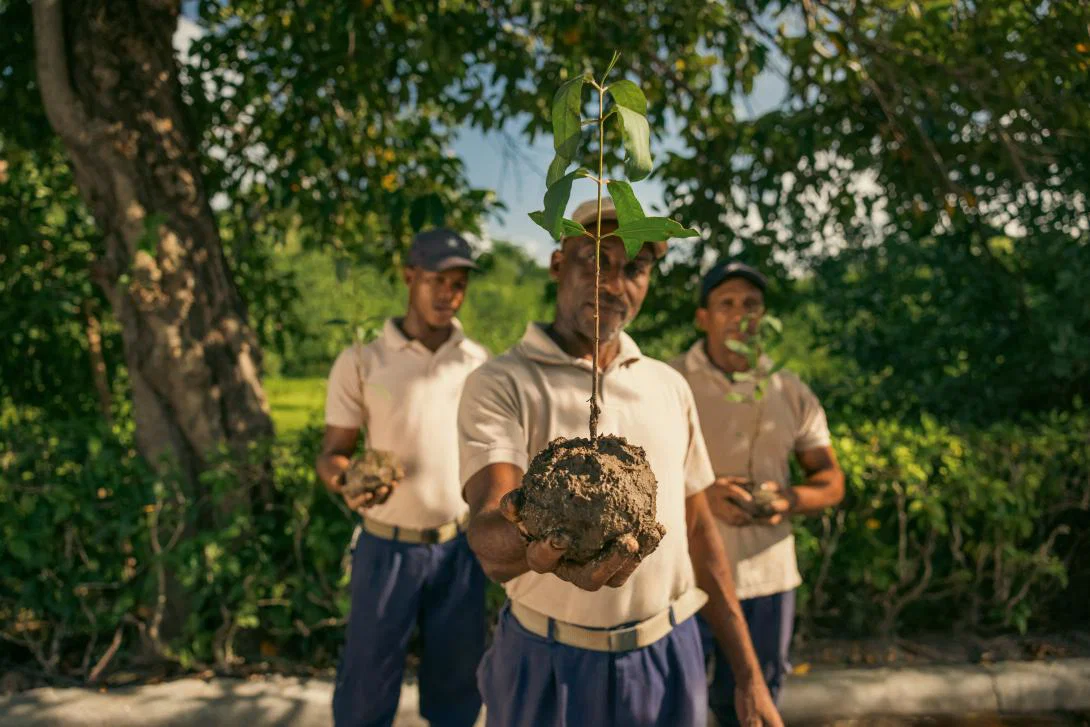
Iberostar have replanted more than 19,000 mangroves in the Dominican Republic, essential for providing a natural barrier against coastal erosion. Guests can go on a ‘Walk of Change’, following a path that includes the mangroves, a bird-viewing platform, and finishes at the Iberostar Coral Lab, a scientific research and coral conservation centre located directly in front of the Iberostar Selection Bavaro.