
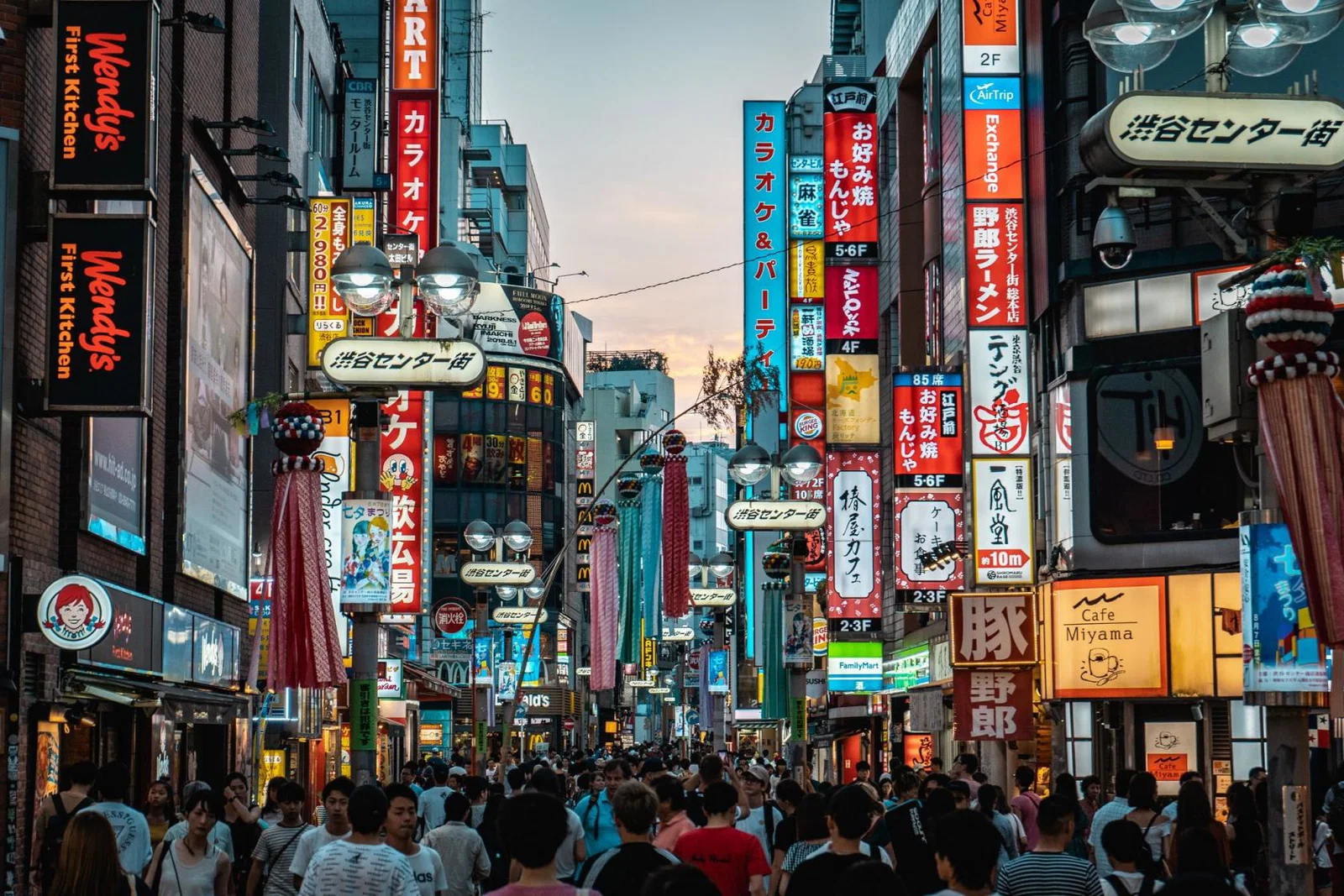
The guide, developed by the Travel by B Corp group, suggests encouraging customers to travel to different places, to travel at different times, or to travel in different ways, in order to alleviate pressure on the world’s most popular destinations.
The Overtourism Marketing Playbook is freely available to any organisation keen to play its part in protecting the places they sell, while improving their customers’ experience.
It guide offers advice on recognising the effects of overtourism in a destination, understanding the best ways to respond, and sharing that success with others.
The playbook was created by one of Travel by B Corp’s “shared impact project” groups (ShIPs), with contributors including InsideJapan and InsideAsia parent Inside Travel Group’s Impact Executive, Dom Hughes.
The playbook offers guidance on recognising the effects of overtourism, how to respond and how to share successes
Speaking at the playbook’s launch last week, Hughes said the group had recognised that, despite lots of discussion about the problem of overtourism, few of them were proactively doing much to address it.
“It’s said that 80% of visitors visit just 10% of tourism destinations, and travel businesses contribute to that through our marketing: the hero imagery we lead with, the destinations we optimise for, the "must-see" language, the default recommendations - they all shape that demand,” he explained.
Hughes emphasised that adopting more responsible product and marketing strategies could be a commercial win, as much as an ethical one.
“Overtourism leads to fragile portfolios, over-dependence, and commercial risks,” he explained. “We found having more diverse portfolios and shoulder-season products could actually lead to better margins and a more resilient business.”
Five ways travel brands can reshape demand
- Geographical dispersal – creating product in or promoting different areas
- Seasonal dispersal – creating or promoting off-peak travel options
- “Experience reframing” – selling slower, more meaningful experiences instead of the “must-dos”
- Strategic scarcity – reducing visitation where destinations are already over capacity
- Flow and expectations – encouraging different behaviours and expectations of the experience
The research incorporated a wide range of case studies of travel brands who’d had success in promoting alternative destinations or raising awareness of the impact of overtourism.
These included Inside Travel’s "The Places in Between" programme, through which its InsideJapan brand curated and promoted a new collection of trips to five lesser-visited destinations in Japan: Toyama, Nagasaki, Nagoya, Aomori and Yamaguchi.
Rather than focussing on the overtourism message, InsideJapan focussed on telling the experience story, describing the craftspeople, food producers and local entrepreneurs customers would have the opportunity to meet.
“[We are] shifting the customer mindset from landmark-ticking to depth, discovery and local encounter," said Hughes in the case study. "Customers do not necessarily resist unfamiliar places; they often just cannot picture them yet. The job is to make the alternative feel vivid and compelling before the booking conversation begins."

Meeting a traditional woodcarver is one highlight of InsideJapan's tours to Toyama Prefecture
Results of the project include a more than doubling of room nights booked in the five destination in 2025 (1,062 nights) vs 2024 (494 nights), and a more than doubling of estimated economic impact in those destinations.
Crucially, customer feedback from the trips was outstanding, with 97% of 94 customer reviews rating the trips as ‘excellent’ or ‘good’, and in Toyama specifically, 100% scoring the trip “excellent”.
“The qualitative feedback is especially useful," Hughes added. “Customers described these places as highlights, not worthy add-ons. One traveller remembered standing outside a temple in Inami listening to nothing but rain: no queue, no noise, nobody else.
"Another traveller’s woodcut print from Toyama was later turned into a Christmas card and sent back to the craftsperson. Neither framed it as doing the right thing. They described it as the best part of their trip.”
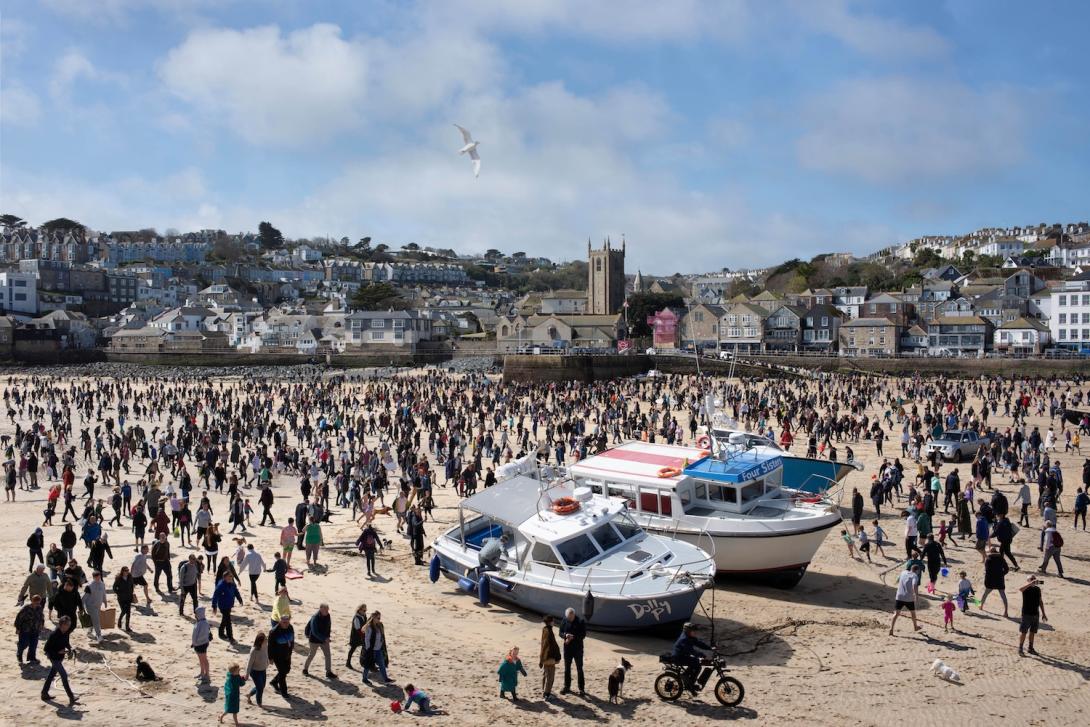
Artist Natacha de Mahieu captured overcrowding in St Ives for a 'Travel Better' campaign by Sawday's Canopy & Stars brand
Glamping specialist Canopy & Stars, part of the Sawday’s group, created a "Travel Better" campaign, with artwork commissioned by Belgian artist Natacha de Mahieu using layered time-lapsed photographic images of St Ives, The Lake District and Durdle Door in Dorset to illustrate the problem of crowd density at peak times.
The campaign ran across social, email and PR, including a high-impact billboard at Liverpool Street Station on one of the busiest travel days of the summer.
“Our primary aim was seasonal dispersal, encouraging customers to travel outside peak periods," said Sawday’s in the case study. "More broadly, we wanted to reframe how customers think about travel, highlighting that adjusting timing can improve their experience while reducing pressure on destinations."
Sawday’s reported a 1.5% reduction in peak season travel (June-August) the following year and an increase in shoulder and low season bookings of 0.6%.
“While clearly modest, these movements indicate that the campaign contributed to demand redistribution without negatively impacting overall performance,” said the brand.
Read or download the Overtourism Marketing Playbook on the Travel by B Corp website.