





Get to know them – without being intrusive
It’s crucial to understand that, just like neurotypical people, every neurodivergent client will have different needs and desires.
“It’s a case-by-case basis, and not all people on the spectrum are the same,” Yousif told TTG. “Get to know your client. Some will love off-grid adventure, others will want a luxury city break. It’s so dependent on the individual.”
The process of determining a neurodivergent client’s travel preferences, however, may need to be adapted.
People on the autism spectrum can feel overwhelmed by the line of questioning travel advisors typically use – resulting in an uncomfortable and unproductive consultation.
Though it’s often standard practice for a luxury agent to ask about everything from favourite breakfasts to preferred candles, they should always be cautious of bombarding a neurodivergent individual with too many queries.
“You’ve got to pick their brain without sounding like you’re micro analysing them,” Yousif explained.
Instead, advisors could offer an intake form in which the neurodivergent client submits their preferences and requirements through a tick box questionnaire. This approach gives the individual more time to consider the questions, while also ensuring their non-negotiables are communicated clearly from the onset.
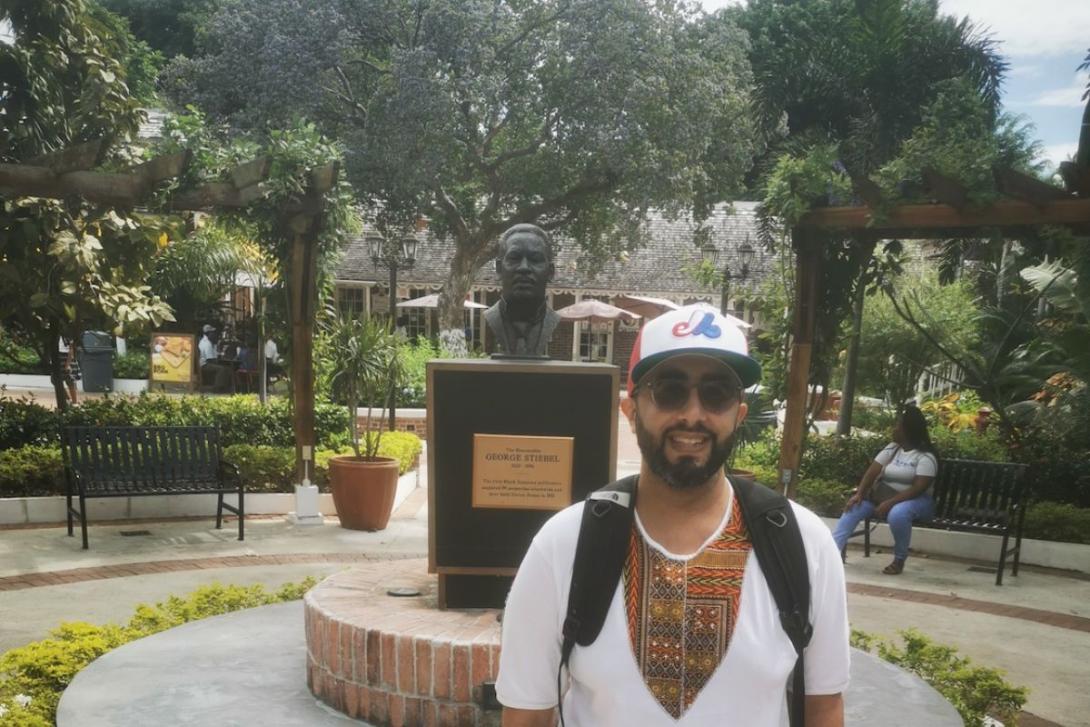
Yousif, pictured here at Devon House in Jamaica, says agents should avoid bombarding a neurodivergent client with too many questions during the consultation stage
Choose autism-friendly destinations
It’s no secret that some destinations are more autism-friendly than others.
The US is home to a number of cities that are neurodivergent-accessible, with Mesa, Arizona becoming the world’s first Certified Autism City in 2019.
Almost all its major parks, museums and hotel chains feature sensory guides and quiet rooms, as well as staff who’ve been trained in accommodating neurodivergent guests. Down in South Carolina, visitors to Surfside Beach can request an Autism Travel Club Card, which discreetly alerts hospitality staff if the client is neurodivergent.
It’s also been more than 10 years since Spain launched its TUR4all App, a free platform that details the exact accessibility (including sensory and cognitive notes) of thousands of hotels, museums and venues across the country.
In 2025, Dubai became the Middle East’s first Certified Autism City following a multi-year journey of making widespread changes to its infrastructure.
There are also plenty of cities that, by default of their layout, are naturally more autism-friendly.
For example, a vast portion of Stockholm’s city centre has been pedestrianised to create a more peaceful urban environment. Its colour-coded Tunnelbana is also widely regarded as being one of Europe’s most reliable metro networks, with a 98% on-time performance rate.
Singapore is another strong contender; the capital’s airport has quiet zones and transit routes, and many of its tourist attractions – including Science Centre Singapore and Gardens by the Bay – operate designated hours for sensory-sensitive visitors.
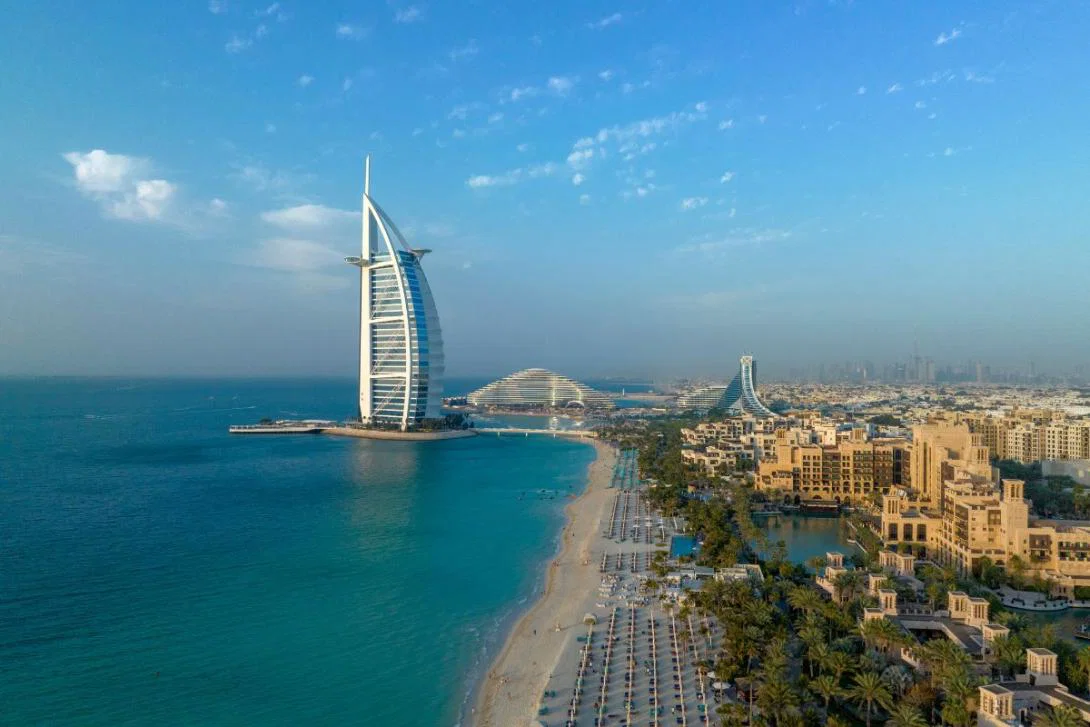
Dubai became the Middle East’s first Certified Autism City last year
Make the itinerary clear – then even clearer
Itineraries are essential documents for neurodivergent travellers, providing an anchor during what can often feel like a destabilising experience. It’s therefore important that they are clearly written and minutely detailed, with every transition – regardless of how minor – taken into account.
“People with autism need you to be as clear as possible, so give as much certainty as possible on paper,” said Yousif.
It’s vital that agents are meticulous when planning the client’s schedule, with particular attention paid to days involving transfers.
For example, the airport portion could be divided by a time buffer which lists estimated durations for everything from security clearance to baggage reclaim.
Additional information on each activity, such as long queues or loud noises, can also help the individual better prepare for potential disturbances.
Yousif also suggests offering both a paper and digital copy of the itinerary, which gives the client extra assurance should there be issues with either version.
Lighten the sensory load
For many people on the AuDHD spectrum, sensory overload is a daily challenge.
Loud noises, rough textures and fluorescent lighting can lead to overstimulation and frustration – and, in some cases, impair functioning. These triggers are often only compounded by travelling, which by nature places a person in an unfamiliar environment.
“Sensory overload is meant in every sense – sight, taste, touch, smell, hearing,” Yousif said. “But small, reasonable adjustments can make a world of difference.”
Fortunately, there are many actions an agent can take to minimise the risk of disturbance to an autistic traveller.
For example, if a client is sensitive to smell, agents can request that signature hotel scents or welcome flowers be removed from the suite. Linen bedsheets can be swapped for 100% cotton, and bright overhead lighting can be switched for warm floor lamps.
Agents can also reserve a room far from noise pollutants like clunky elevators or lively streets, or select a hotel that offers sound-insulated windows and walls.
Dining is another aspect of the itinerary that can be adapted for a neurodivergent client. If a restaurant is known to be busy, agents could book a table at off-peak times – or request an enclosed booth far from large groups.
They can also select establishments with less sensory clutter – think low or no music, neutral decor and soft lighting. It’s often advisable to skip restaurants with open kitchens, which can be a source of distress due to the likelihood of sudden loud noises and intense odours.
Agents can also have dishes adapted, says Yousif. Specific dietary preferences and AuDHD are highly linked, with more than 70% of neurodivergent people experiencing food selectivity at some point in their lifetime. Once the advisor understands their client’s nutritional requirements, they can choose restaurants with flexible menus and accommodating chefs – ensuring a smoother, stress-free trip from start to finish.
Skip the niceties
Luxury hotels are known for rolling out the red carpet – but not all guests want a celebrity welcome.
For neurodivergent travellers, highly attentive service can feel socially draining – especially if they’re tired after a long journey. It’s therefore beneficial to offer the option of an online check-in, which removes the pleasantries at reception, and to co-ordinate with housekeeping to ensure there’s no surprise doorknocks.
Even the theatre of room service can be replaced by a discreet meal delivery, allowing the client to relax without having to worry about furniture being re-arranged or engaging in stilted small talk.